A first neurology appointment is mostly conversation. Neurological diagnosis leans heavily on history — what happened, in what order, and how it has changed over time — so expect to spend a good portion of the visit describing your symptoms in detail.
What to bring
A complete list of your current medications and doses, including over-the-counter medicines and supplements. Any prior imaging such as MRI or CT scans, ideally on a disc or already shared with the office rather than only as a report. Records of relevant prior testing. Your insurance card and referral, if your plan requires one.
If your symptoms come and go, a short written log is genuinely useful: when episodes happen, how long they last, what you were doing beforehand, and what makes them better or worse. Patterns that are hard to recall on the spot become obvious on paper.
Bring someone who has seen the symptoms
For seizures, memory concerns, or episodes of confusion, an observer's account is often more informative than the patient's own, simply because the patient may not remember the event. If someone has witnessed what happens, bringing them to the appointment can change the diagnosis.
The neurological examination
The examination is systematic and non-invasive. It typically includes assessment of strength, sensation, reflexes, coordination, balance, gait, eye movements, and cranial nerve function. Nothing in a routine neurological examination is painful, though some parts may feel unfamiliar — you may be asked to walk heel-to-toe, follow a light with your eyes, or repeat a short list of words.
Testing that may follow
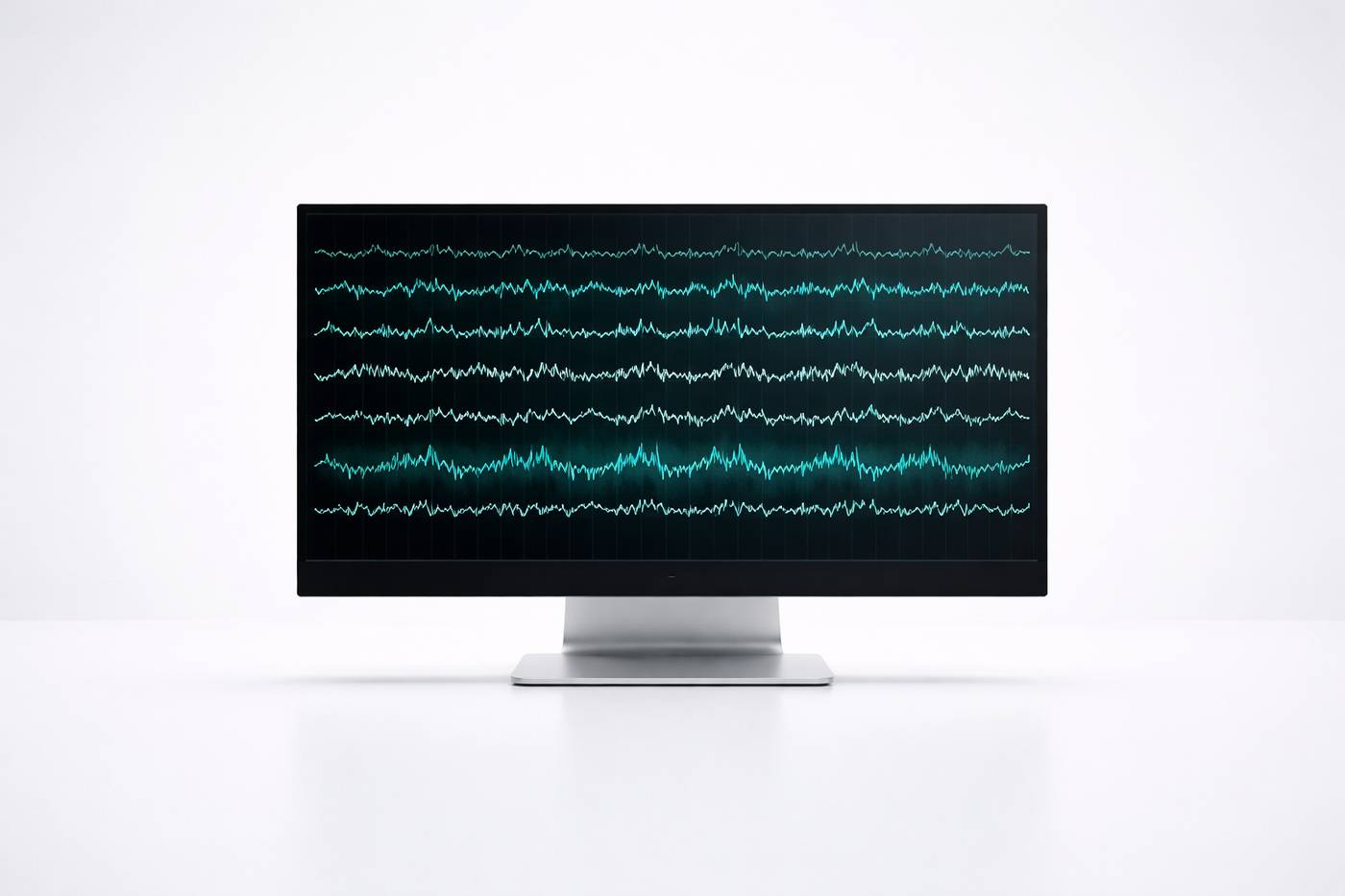
Depending on the question, your neurologist may order imaging such as MRI, an EEG to assess electrical activity in the brain, or nerve conduction studies and EMG to evaluate nerve and muscle function. Not every patient needs testing, and tests are ordered to answer a specific question rather than as a routine screen.
Questions worth asking
What is the leading explanation for my symptoms, and what else is being considered? What will the test results change about my treatment? What symptoms should prompt me to call the office or go to an emergency department? Writing your questions down beforehand is worthwhile — appointments move quickly.
This article is general health information, not medical advice, and does not replace evaluation by a clinician who knows your history. If you think you may be having a stroke or another neurological emergency, call 911.